
Eczema is common in babies: around one in five children in the UK have it, and it usually starts in the first six months. There's no cure, which may sound scary, but many parents find it improves as their child gets older. Luckily, gentle everyday care helps manage flare-ups. So, let’s look at what causes baby eczema, how to spot it, and how to help soothe your baby’s eczema-prone skin.
What is baby eczema?
What causes eczema in babies?
What are the signs of eczema in babies?
Baby eczema on the face
Is it eczema or something else?
How do you make a baby more comfortable?
Speak to a professional before adjusting your baby’s diet
How do you care for eczema-prone skin?
Soothe dry itchy skin overnight
How to support your baby's eczema-prone skin
When to see a GP or health visitor
One last thing…
Baby eczema FAQs
What is baby eczema?
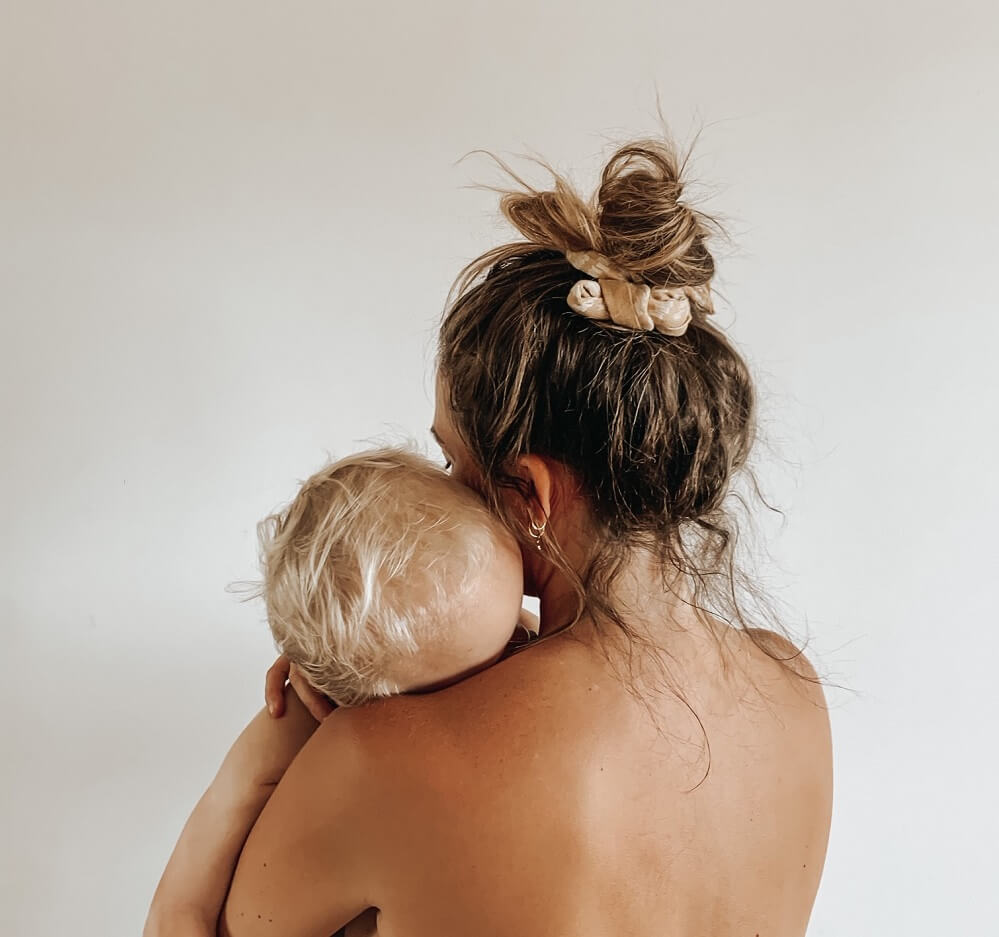
Baby eczema (also called atopic eczema) is a common condition that makes a baby's skin dry, itchy and red or discoloured. In babies it often appears first on the cheeks and in the folds of the skin.
Atopic or allergic eczema is thought to affect up to one in five children, with about 60 per cent of cases starting under the age of one2 . A third of children affected may also develop asthma or hayfever, or both.
Reassuringly, many children find that their eczema improves1 as they get older. In the meantime, if your baby's skin is eczema-prone or they're suffering from sore, itchy eczema patches, here's what you need to know.
What causes eczema in babies?
Many factors can compromise the skin, the body's natural protective barrier. Contact with soaps, detergents or exposure to allergens such as dust mites, pollen, pet dander and certain foods can all play a part.
Eczema may also worsen with a cold or infection, as the body's natural immune responses may be overstimulated, leading to a flare-up. This can make babies uncomfortable and may worry parents and carers. Eczema is certainly not infectious but can run in families as there is often a genetic component.
Many babies with eczema are born with less of a protein called filaggrin, which helps form the skin's protective barrier. With a weaker barrier, moisture escapes and irritants get in more easily. So why do babies get eczema? It's usually this mix of genetics and a weakened skin barrier, and your baby is more likely to develop it if you or a close family member has eczema, asthma or hay fever.
What are the signs of eczema in babies and how do you spot severity?
Eczema patches tend to appear on cheeks and areas where the body bends (inside elbows, behind knees, skin creases). The early signs of eczema in babies include patches of dry, rough or scaly skin, redness or discolouration, and your baby scratching or rubbing at the area. Eczema can also make the skin look cracked, scaly or thickened, and scratched patches may blister, bleed or weep.
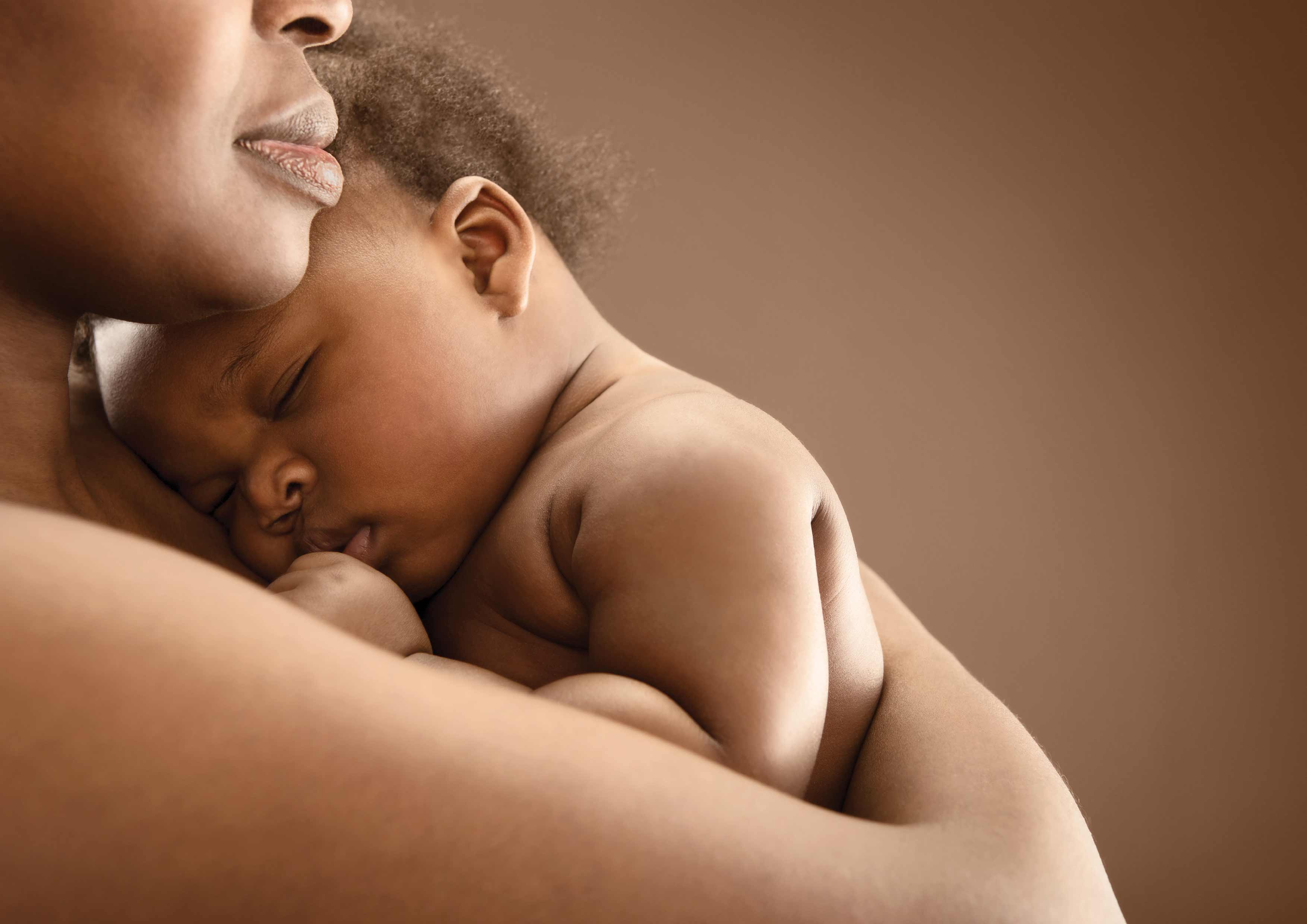
On brown and black skin, eczema can look brown, purple or grey rather than red, and can be harder to spot.
When your healthcare visitor or GP examines and diagnoses your baby's skin, they will ask how it affects you and your baby's daily life, sleep and play. Remember to mention family history and any possibility of food allergies. Your doctor may also check for signs of bacterial infection (oozing, weeping, pustules, crusting) that might need antibiotic treatment or cream.
Although rare, eczema can also be infected with the cold sore virus (look for blistered or ulcerated skin). If so, it will need special treatment, so keep your baby away from any contact with cold sores.
Baby eczema on the face
Eczema often appears on a baby's face,1 especially the cheeks, because the skin there is delicate and exposed to dribble, food and weather. On the face it tends to look like dry, red or discoloured patches that can feel rough or flaky.
Wipe away dribble gently, keep fragranced products away from the face, and moisturise regularly with a gentle emollient suitable for eczema-prone skin. Facial skin is sensitive, so patch test any new product, and speak to your GP or health visitor if the skin is broken, weeping or not settling.

Is it eczema or something else?
Newborn baby skin conditions can look alike. Two of the most common are:
Cradle cap causes greasy, yellowish, scaly patches mainly on the scalp and is usually less red and less itchy than eczema.
Baby acne shows as small red spots or pimples rather than dry, itchy patches. If you're not sure what you're looking at, your health visitor or GP can help.
How do you make a baby more comfortable?
Start by making the environment more suitable for your baby. These simple steps can also help prevent flare-ups of dry, itchy skin:
Dress your baby in comfortable, cotton clothing (not wool or nylon)
Avoid overheating in warm environments, as heat tends to make itching worse
Avoid soaps, perfumed products, biological detergents or strong bubble baths, as these may contain preservatives that are drying on skin. They might also contain strong surfactants, which foam up nicely but potentially strip some of the skin's protective moisture as they remove dirt and grease
Keep the baby's nails short
Cover hands at night with tiny socks or scratch mittens3 if needed to avoid them scratching themselves
Keeping the bedroom cool, around 18°C3
Reduce contact with pets – animal dander can make your baby's eczema worse
And make sure not to let anyone smoke near your baby – this not only worsens eczema but is also detrimental to their overall health.
Speak to a professional before adjusting your baby’s diet
Don’t cut out essential foods such as milk and dairy, wheat or eggs when weaning or in older babies unless your health visitor or GP has advised you to do so. Most babies with eczema don't have afood allergy,3 and changing a baby's diet without guidance can affect their growth and development. If you think a food is triggering flare-ups, keep a note of what happens and ask your GP or health visitor for advice.
In worse cases, a doctor might advise a specific replacement to cow's milk formula for younger babies. If breastfeeding, there are not enough studies to prove that changing your diet is guaranteed to help, but many women try to exclude peanuts if under medical supervision.

How do you care for eczema-prone skin?
Oatmeal, a topical ingredient, has been used for centuries to moisturise skin as it contains large molecules that hang on to moisture. It keeps the acidity of baby skin balanced and can help to reduce itching through its calming effect.
The AVEENO® Baby Dermexa range is formulated with colloidal oatmeal, oat extract and ceramides, and is clinically proven* to help moisturise and soothe baby's dry, itchy skin. Also suitable for babies/little ones who may be prone to eczema.

Soothe dry itchy skin overnight
Make sure nappies and clothing are changed regularly to avoid trapped moisture and keep the skin clean. For more peaceful night times, AVEENO® Baby Dermexa Good Night Emollient Balm can help to manage dry, itchy skin and offer lasting comfort throughout the night. It contains oat extract, oat oil and colloidal oatmeal and is clinically proven to help restore the skin's barrier.

How to support your baby's eczema-prone skin
Moisturise, moisturise, moisturise. This step is so important to protect the skin's barrier and reduce flare-ups.
Even when skin appears clear, keep moisturising. Apply a gentle emollient at least twice a day and smooth it in gently in the direction of hair growth, rather than rubbing.1 Some babies dislike the greasy feel of thick ointments, so lotions or balms may be easier. Quick-absorbing products like AVEENO® Baby Dermexa Daily Emollient Cream can help support its natural barrier.
If your baby is at nursery, make sure it has a good supply of moisturiser. Find one that doesn't bother the baby and reapply at least two or three times a day, or at every nappy change.3 Apply gently. And try not to rub.
How do you treat baby eczema?
Speak to your health visitor or GP as it is they who need to diagnose and prescribe treatment, if it's needed. Day to day, the mainstays are gentle moisturising and avoiding irritants to help soothe eczema-prone skin.
When to see a GP or health visitor
Speak to your GP, pharmacist, or health visitor if your baby's eczema is:
Spreading, weeping or crusting
Not settling with regular moisturising
Affecting their sleep or feeding
Get advice urgently if you see signs of infection such as pus, yellow or golden crusting or a fever, or if the eczema looks infected with the cold sore virus (clustered blisters or ulcers), which needs prompt attention.
Your GP can diagnose eczema and, if it's needed, prescribe treatments such as topical steroids,1 which are a standard first-line treatment for babies. Your GP or health visitor can advise what's right for your baby.
One last thing…
Baby eczema is common, and while there's no cure, it's very manageable. Most flare-ups settle with gentle, consistent care. And in fact, many children find their eczema eases as they get older.
Above all, try not to worry. Eczema is not your fault, it isn't infectious, and with a little daily care your baby's skin can stay comfortable.
Baby eczema FAQs


References
This content is brought to you by the UK's No. 1 Recommended Baby Skincare Brand for Babies with Sensitive Skin, based on the online survey of 201 UK retail pharmacists conducted by IQVIA for Kenvue, May 2026.
NHS. Atopic eczema. https://www.nhs.uk/conditions/atopic-eczema/
National Library of Medicine. Eczema in early life: Genetics, the skin barrier, and lessons learned from birth cohort studies. https://pmc.ncbi.nlm.nih.gov/articles/PMC2957505/
Eczema UK. Babies and eczema. https://www.eczema.org.uk/support/babies-and-eczema
NHS. Steroid use in managing your child‘s Atopic Eczema. https://www.wsh.nhs.uk/CMS-Documents/Patient-leaflets/Dermatology/6326-1-Steroid-use-in-managing-your-childs-atopc-eczema.pdf
